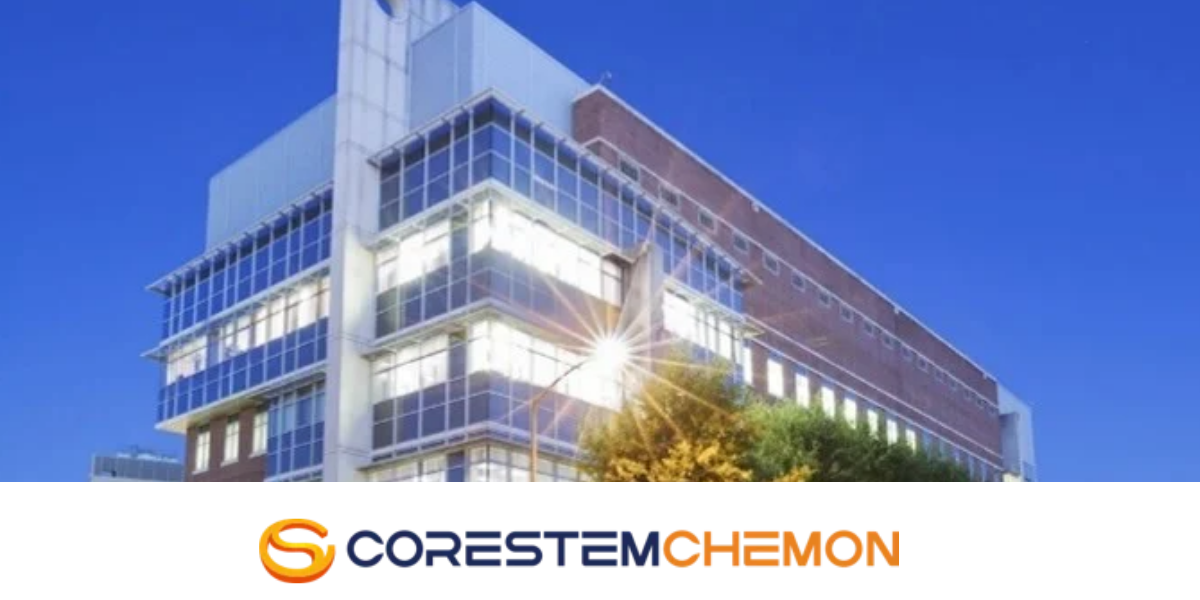
CorestemChemon, a biopharmaceutical company headquartered in South Korea, has begun U.S. operations based in Winston-Salem’s Innovation Quarter. Its U.S. subsidiary, CorestemChemon US Inc., currently has two executive-level employees in Winston-Salem, with plans to grow the team as its U.S. regulatory and clinical programs advance. The subsidiary is focused on U.S. commercialization of Neuronata-R, a stem cell therapy for amyotrophic lateral sclerosis (ALS). In South Korea, CorestemChemon completed clinical trials for Neuronata-R and received conditional regulatory approval for the therapy.
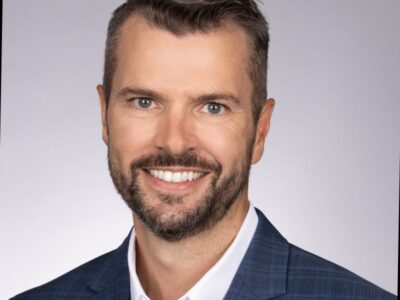
“For a stem cell therapy company, being physically close to researchers and clinicians who share our scientific focus was more valuable than being in a larger but more generic biotech hub,” said Seung Beom Yang, director of CorestemChemon. “North Carolina’s combination of scientific credibility and a genuine willingness to welcome international companies made the decision straightforward.”
A Home Inside the Regenerative Medicine Engine
CorestemChemon US Inc. is located within the Regenerative Medicine Engine’s Innovation Accelerator, which offers office and laboratory space to industry partners. The Regenerative Medicine Engine is an initiative funded by the National Science Foundation and led by the Wake Forest Institute for Regenerative Medicine (WFIRM) to help move new regenerative medicine technologies from research into real-world use. CorestemChemon also received support from Greater Winston-Salem Inc. through a BioNest Grant, which helps with office space, business development, and engagement with regional institutions and companies.
Dr. Anthony Atala, director of WFIRM and chief innovation officer of the RegenMed Engine, said CorestemChemon’s expertise in biopharmaceutical production and regulatory-grade process development complements WFIRM’s work across regenerative medicine therapies and scalable manufacturing. “An international stem-cell therapy company like CorestemChemon deciding to anchor U.S. operations in Winston-Salem reflects the growing strength of North Carolina as a national and international hub for regenerative medicine,” said Atala. “Their addition adds meaningful momentum to the Innovation Quarter and strengthens the network of partners committed to advancing new therapies for patients.”
Building a U.S. Hub, Not Just a Liaison Office
“Our long-term vision is to build Winston-Salem into a true operational hub, not just a regulatory liaison office, but a base for U.S.-facing clinical development, business development and eventually local partnerships in manufacturing and research,” said Yang.
Beyond ALS, CorestemChemon is developing therapies for lupus, neuromyelitis optica (NMO), and multiple system atrophy (MSA). It also runs a non-clinical CRO business, ChemOn, which offers services such as toxicity assessment and efficacy evaluation.
“The global leadership of WFIRM remains evident,” said Nancy Johnston, executive director of the North Carolina Biotechnology Center‘s Piedmont Triad office. “When coupled with support from the Winston-Salem BioNest Fund, which received the Biotechnology Service/Support Excellence Award at Triad BioNight earlier this year, it further strengthens the Regenerative Medicine Hub in our state and the Piedmont Triad.”
Room to Collaborate
Atala sees strong potential for collaboration in therapeutic development, manufacturing platform validation, and clinical translation. “By combining our ecosystem strengths with their specific products, we can accelerate the development of next-generation regenerative medicine technologies and bring new treatment options to patients more efficiently,” he said. He added that proximity enables faster collaboration, shared studies, and access to specialized technologies that help move discoveries from the lab into first-in-human applications. It could also create opportunities for local patients to gain earlier access to clinical trials as Neuronata-R and future products move through U.S. approval pathways.
“We see WFIRM as a natural scientific partner given the overlap in regenerative medicine expertise,” said Yang. “We look forward to exploring opportunities around translational research and shared clinical insight as our therapies, including Neuronata-R for ALS, move through the U.S. regulatory pathway.”