Two Penn Medicine researchers have received awards from the National Institutes of Health Director’s High-Risk, High-Reward Research program, which supports exceptionally creative scientists pursuing bold ideas with the potential for broad impact, Penn Medicine announced on October 7, 2026.
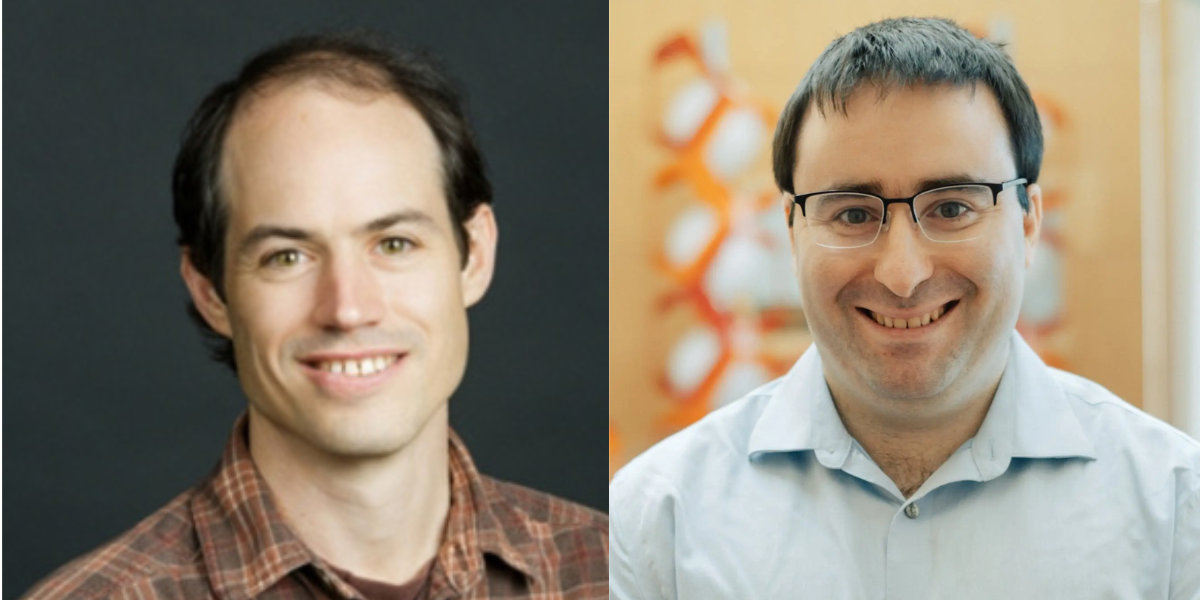
Michael Z. Levy, PhD, a professor of Epidemiology in the Perelman School of Medicine, received a Pioneer Award, which supports scientists opening new research directions in biomedical, social, and behavioral science. Adam J. Stevens, PhD, an assistant professor of Cancer Biology, received a New Innovator Award, which supports unusually creative early-career investigators pursuing high-impact research.
Designing Homes With Health in Mind
Levy’s Pioneer Award will fund a three-part effort uniting architecture and epidemiology to understand how home design and construction shape the organisms and exposures that affect human health:
- Comparing homes: the team will compare the microbial, plant, and animal life in new curvilinear 3D-printed homes with that of traditionally built homes in similar environments.
- Modeling health risks: researchers will combine architectural airflow models with epidemiological and ecological models to estimate how housing improvements could reduce risks from poor airflow, harmful microbes, and disease-carrying pests, and to identify designs that discourage organisms that threaten health.
- Testing interventions: working with Dorit Aviv, PhD, of Penn’s Stuart Weitzman School of Design, the team will test architectural interventions in the lab and in the field, with the goal of creating housing forms that reduce harmful exposures.
“3D printing has unleashed a Cambrian explosion of designs, ideas and materials, to tackle housing challenges. These are likely to recede as they wash over market forces,” Levy said. “It is critical to ensure that the potentially healthier forms of homes, and especially the more energy efficient and climate resilient designs, are not lost. It is equally critical that potential harms and externalities of new architectures and materials are not ignored.”
Engineering Better Tissues for Disease Modeling
Stevens uses synthetic biology to study the molecular logic of how cells form and maintain tissues. His project aims to overcome challenges in engineering human tissues to create organoids, which researchers use to study how diseases develop and respond to treatment. With the grant, his lab will develop new tools to control how complex multicellular structures are built, engineering cell adhesion molecules, the surface proteins that determine how cells stick to each other and their environment, to precisely construct synthetic tissues that can model and treat disease.
“The goal of my team’s research is to create better tools for disease modeling and to advance cell therapies in cancer treatment and regenerative medicine,” Stevens said.
About the High-Risk, High-Reward Program
Part of the NIH Common Fund’s High-Risk, High-Reward Research program, the Director’s Awards are designed to accelerate discovery by supporting unconventional ideas with the potential to transform broad areas of research. The program includes the Pioneer, New Innovator, Transformative Research, and Early Independence awards. Penn researchers have received multiple NIH Director’s awards in recent years, across areas including cancer, neuroscience, genetics, immunology, and precision medicine.