Plenty of students walk into their first pre-health society meeting without knowing what to expect. Many leave realizing how many clubs on campus point students toward the life sciences.
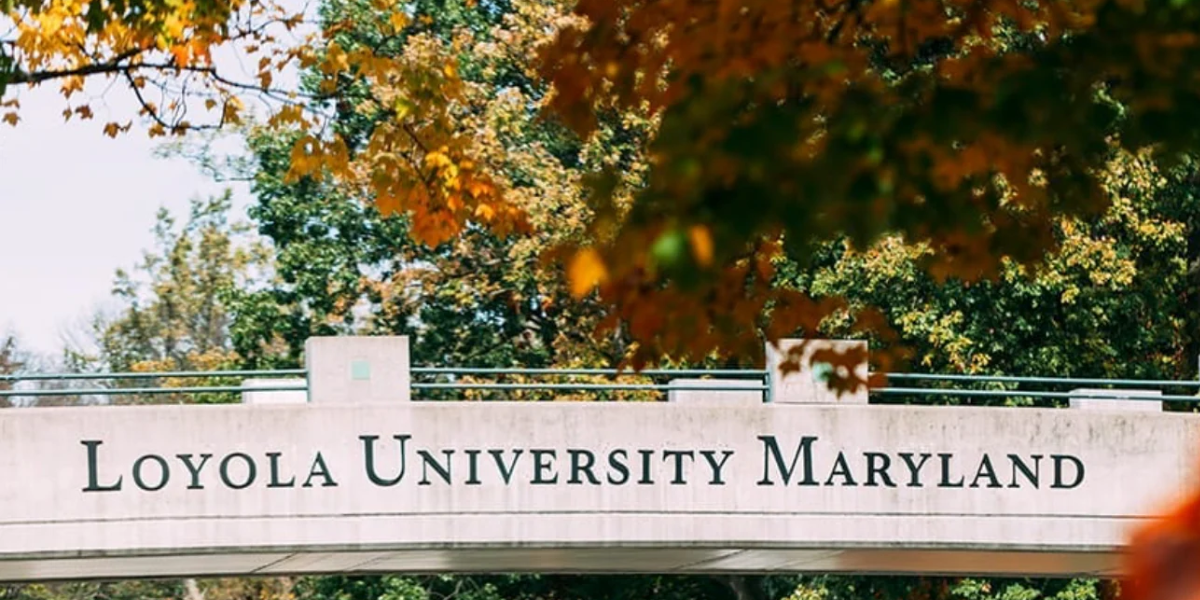
For many students, a first meeting like that is the first step from campus toward a career in BioHealth. Loyola University Maryland‘s pre-health society is one place where those steps happen, and you don’t need experience, or even a STEM major, to join. This article looks at how campus clubs and the Rizzo Career Center connect students with the life sciences, and how you can start building your own connections this semester.
Clubs are one of the easiest ways in
The doors are already open. Members don’t need to cold-email a stranger to meet someone working in the field. Often the professional comes to them.
The pre-health society, for example, helps students explore majors like chemistry, biology and physics and prepare for the MCAT. The life sciences also reach beyond medicine, into bioengineering, biomedical engineering and the people who invest in startups built on that work. Clubs open these doors in a few practical ways:
- Speakers. Industry guests visit meetings or events to talk about their work. On October 22, the Rizzo Career Center and the Biohealth Club brought six life sciences professionals to campus for the Biohealth Career Panel, including BioBuzz COO Cat Thoreson.
- Events. Panels, networking nights and workshops let members practice talking with professionals in a low-pressure setting. The pre-health society also runs a Red Cross blood drive.
- Visits. Some clubs visit hospitals.
Every one of these is open to any student who shows up.
Leading a club builds skills industry values
Attending is a start. Taking a leadership role adds skills that BioHealth employers look for: organizing, communicating and working on a team. Planning an event means finding a speaker, writing the invitation, managing the schedule and following up afterward.
Those skills carry across the whole industry, because a life sciences career doesn’t have to mean an MD or a PhD. There’s room for engineers, lawyers, investors and everyone in between.
The October 22 panel showed that range, bringing together professionals from different corners of the industry.
Career services can take the next step with you
Clubs build the first connections. The Rizzo Career Center can help with what comes next. Students can book one-on-one advising appointments through Handshake, stop by weekday drop-in hours for quick résumé and cover letter feedback, and attend workshops, employer information sessions and networking events with alumni. Neither clubs nor career services will hand you a job, but they give you more chances to network, practice and ask good questions.
How to get involved in 3 steps
- Find a club. Pick a group that matches your interests, such as the pre-health society or the Biohealth Club.
- Go to one event this semester. Check the club’s website or social page for the next meeting or speaker. You don’t have to be a member to start.
- Ask one industry guest a question. Write it down beforehand. Ask what their job looks like day to day, or what they wish they had known as a student.
For BioHealth professionals: if you’d like to meet motivated students, contact the Biohealth Club or the Rizzo Career Center about speaking at a meeting or event.