
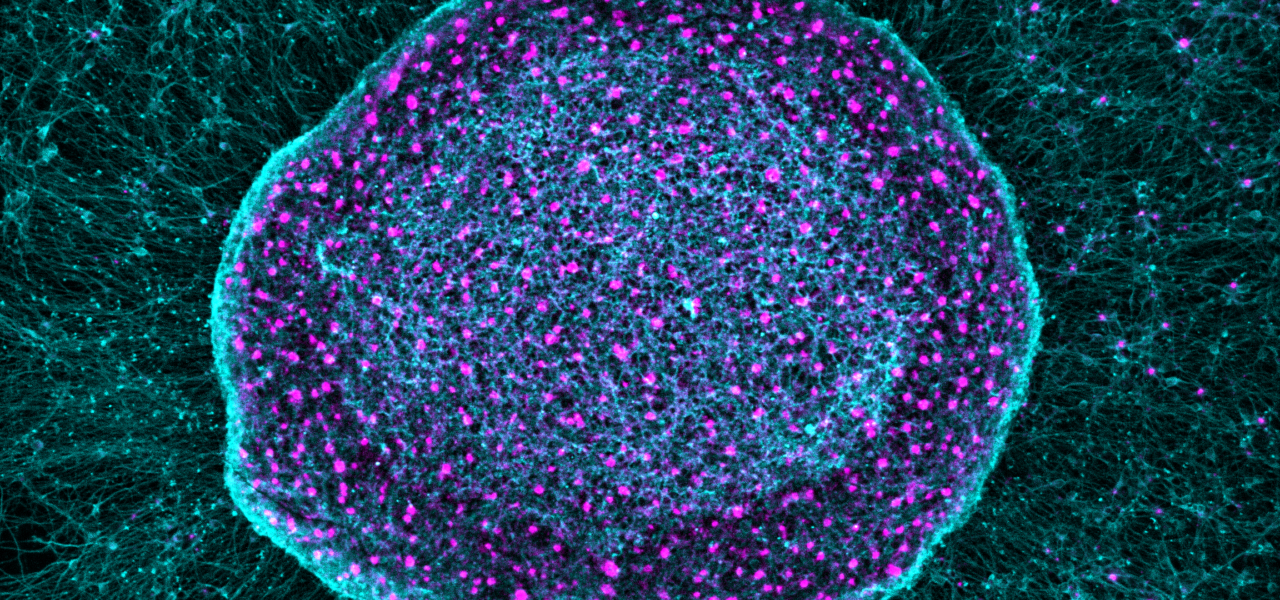
New data was presented at ISSCR shows novel “Pain Sponge” technology that relieves osteoarthritis pain and regrows cartilage
A breakthrough non-opioid approach to chronic pain management is showing promise in both pain relief and joint preservation. Instead of just blocking pain signals, SN101 uses iPSC-derived neurons to absorb inflammatory factors, acting like a sponge.
At the International Society for Stem Cell Research (ISSCR) Symposium in Cambridge, Massachusetts, SereNeuro Therapeutics presented new preclinical data on SN101, a first-in-class induced pluripotent stem cell (iPSC)-derived therapy designed to treat chronic osteoarthritis pain while halting cartilage degeneration.
The data positions SN101 as a potential disease-modifying osteoarthritis drug (DMOAD)—a meaningful advancement over today’s symptom-focused and often degenerative pain treatments.
A Counterintuitive Approach: Using Pain-Sensing Cells to Reduce Pain
This could represent a huge step forward for non-opioid pain management and regenerative medicine.
SN101 challenges conventional pain management strategies by using mature, iPSC-derived peripheral pain-sensing neurons (nociceptors) as a therapeutic tool rather than a target.
“Our approach utilizes high-purity, iPSC-derived nociceptors that effectively function as a sponge for pain factors,” said Gabsang Lee, PhD, scientific co-founder of SereNeuro and professor of neurology and neuroscience at Johns Hopkins University. “By injecting SN101 cells, we relieve pain and halt cartilage degradation.”
Rather than transmitting pain signals to the brain, SN101 cells sequester inflammatory pain mediators locally within the joint. The cells also secrete mechanistically validated regenerative factors, creating an environment that supports healthier cartilage and bone remodeling.
Built on Maryland Science, Leadership and State Stem Cell Funding
SereNeuro’s scientific foundation is closely tied to Baltimore’s academic and biomedical research community, particularly through Johns Hopkins University, a global leader in neuroscience, regenerative medicine, and translational research.
Co-founder and CEO, Daniel Saragnese, has guided multiple therapeutic candidates from preclinical stages through clinical development at venture-backed spin-outs from Stanford and Johns Hopkins University, including Earli ($40M Series A), Ashvattha ($69M Series B), and Graybug Vision (NASDAQ: GRAY).
That science has also been supported by state-level investment. In 2025, SereNeuro Therapeutics received a Commercialization Grant from the Maryland Stem Cell Research Fund (MSCRF), a program administered by the Maryland Technology Development Corporation (TEDCO).
The MSCRF program is designed to help translate promising stem cell discoveries toward clinical and commercial readiness, reinforcing Maryland’s role as a national hub for regenerative medicine and cell therapy development.
Why SN101 Differs from Existing Pain Therapies
Scientific Co-founder Gabsang Lee presented the data at the ISSCR Symposium showing that the new therapy, SN101, can halt cartilage degeneration and relieve chronic pain without opioids. The ISSCR presentation highlighted several ways SN101 stands apart from both emerging and established pain treatments:
- Beyond Single-Target Drugs
Unlike ion channel inhibitors that block one pathway, SN101 cells naturally express all canonical pain receptors and ion channels, enabling simultaneous modulation of multiple pain and inflammation signals. - An Alternative to Corticosteroids
Corticosteroid injections may offer temporary relief but are associated with accelerated cartilage degeneration over time.
“Current standard-of-care treatments may worsen joint health in the long run,” said Daniël Saris, MD, PhD, professor of orthopedics and regenerative medicine at Mayo Clinic and member of SereNeuro’s Clinical Advisory Board. “SN101 creates an environment that preserves joint tissue while relieving chronic pain—without addiction risk.”
Key Data Highlights from ISSCR
During the session “Rebuilding the Body’s Interfaces: Cell Therapy for Neuroskeletal and Surface Tissues,” SereNeuro highlighted:
Key Highlights:
- Mechanism: Uses iPSC-derived neurons to sequester inflammation.
- Improved Safety Profile
Use of fully mature, non-dividing cells reduces tumorigenicity risks associated with proliferative cell therapies. - Non-Addictive Pain Management
A biological alternative to opioids, addressing an urgent need for safer chronic pain solutions. - Disease-Modifying Potential
Preclinical data indicating halted cartilage degradation and promotion of healthy bone remodeling.
Advancing Toward the Clinic
SereNeuro is advancing SN101 toward IND-enabling studies as part of a broader pipeline focused on chronic and neuropathic pain conditions. As the biotech industry continues to seek durable, non-opioid solutions, SN101 represents a convergence of stem cell biology, neuroscience, and regenerative medicine—areas where Maryland institutions and funding programs have played a sustained leadership role.
About SereNeuro Therapeutics
SereNeuro Therapeutics is a biotechnology company developing first-in-class, non-opioid pain therapies. The company is advancing cell-based approaches designed to address unmet needs in chronic and neuropathic pain management and is moving toward IND-enabling studies. More information is available at sereneuro.com.