
Researchers at Penn Medicine are part of a nine-institution team building OMEGA, a wearable system designed to give doctors real-time information about whether a fetus is getting enough oxygen during labor. The project is funded with up to $39.3 million by the Advanced Research Projects Agency for Health (ARPA-H) through its Making Obstetric Care Smart program, and it’s led by Carnegie Mellon University, with Children’s Hospital of Philadelphia co-leading the effort alongside CMU. Penn’s Dr. Nadav Schwartz, professor of obstetrics and gynecology at the Perelman School of Medicine and the university’s lead investigator on the project, described the core problem OMEGA is meant to solve: “One of the biggest challenges in obstetrics is distinguishing between a fetus that is experiencing true distress and one that is responding normally to the stress of labor. Better information could help clinicians make more informed decisions, potentially improving outcomes for both mothers and babies while reducing unnecessary interventions.”
Why Current Fetal Monitoring Falls Short
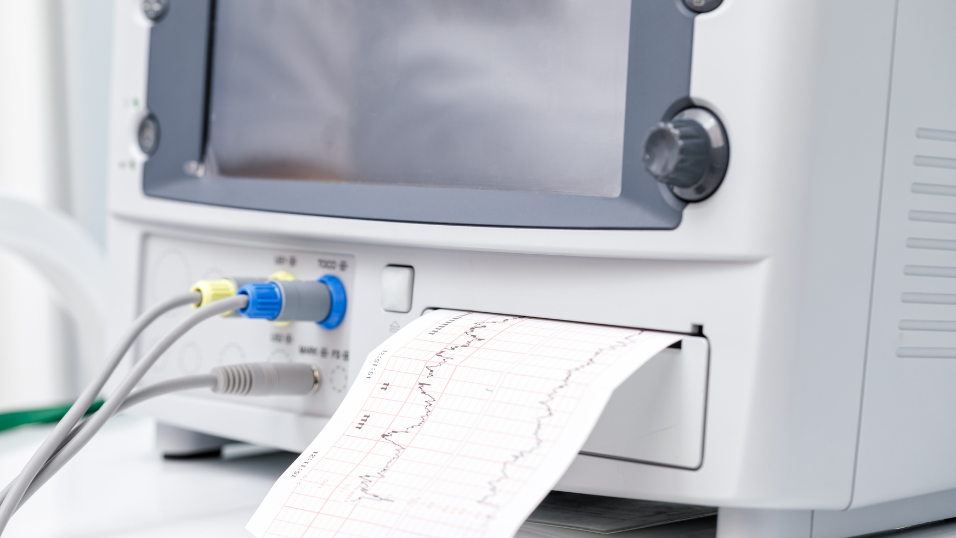
Fetal monitoring during labor has relied on essentially the same approach since the 1970s, tracking fetal heart rate and uterine contractions as indirect proxies for how a baby is doing. That method can flag that something might be wrong, but it can’t actually measure whether the fetus is getting adequate oxygen or explain what’s causing a concerning pattern in the first place. The ambiguity forces clinicians to make judgment calls that can go either way: missing a genuine emergency or intervening unnecessarily. That tension sits inside a broader problem OMEGA’s backers point to, the United States has higher rates of maternal and infant morbidity and mortality than other high-income countries despite spending more on maternity care, and roughly one-third of U.S. births are delivered by cesarean section.
What OMEGA Would Actually Measure
OMEGA stands for Optical, Mechanical, and Electrical Global Assessment of fetal hypoxia, and the system is designed to combine multiple noninvasive sensors that monitor the mother, placenta, uterus, and fetus simultaneously, feeding that data through artificial intelligence and machine-learning tools built to analyze it in real time at the bedside. CMU’s Jana Kainerstorfer, the project’s overall lead, framed the goal around what direct measurement could unlock: “The ability to directly measure a lack of oxygen to the fetus, and identify the cause, will have significant implications for obstetric care by enabling safer deliveries for all.” Dr. Gabriel Arenas, assistant professor of obstetrics and gynecology at Penn and a co-investigator on the project, tied that ambition to practical usability: “With newer technology, including AI, we hope to contribute to a solution that’s easy to use in the delivery room and will impact millions of patients around the world.”