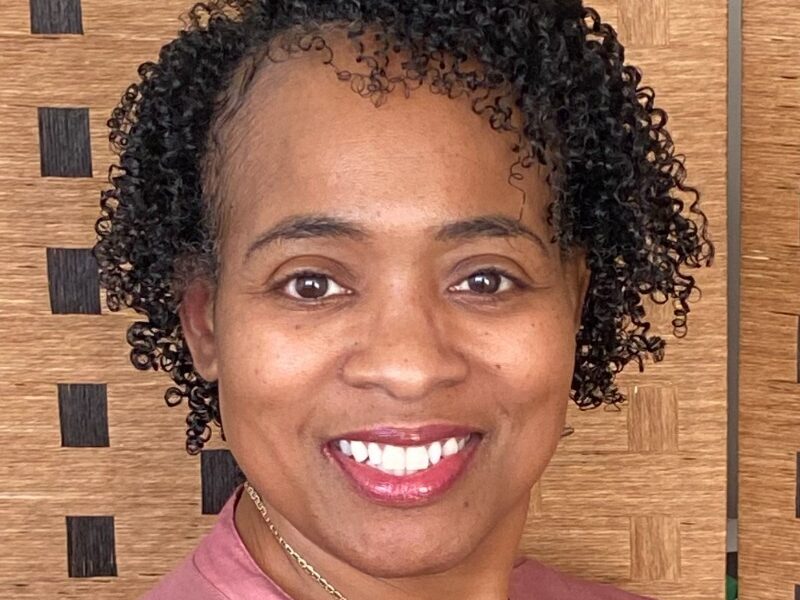
Fortrea, the global contract research organization operating as an independent clinical development powerhouse, has shifted how it handles the front end of clinical trials. Kimberly Johnson has been promoted to a hybrid Site ID Lead role, stepping into a position designed to bridge the gap between initial feasibility and site activation. She transitions into the role from her previous post as Clinical Team Lead, marking a structural move by the organization to place experienced operational oversight earlier in the trial lifecycle.
About Kimberly Johnson
Clinical trials usually stall in the same place: site startup. The handoff between the team identifying a site and the team managing it is where momentum dies, communication fractures, and timelines extend. By moving from a Clinical Team Lead into a hybrid Site ID Lead role, Johnson is shifting her vantage point upstream. Instead of inheriting site challenges after activation, she is stepping in before the sites are even fully engaged, catching potential friction points before they materialize into costly delays.
This early involvement is critical in clinical operations. When a Clinical Team Lead is forced to manage a site that wasn’t properly vetted or prepared during feasibility, the trial suffers. Johnson’s leadership style is to own the full picture from the very beginning. By managing the process from feasibility through activation, she reduces operational lag and builds stronger, more engaged site relationships from day one.
“This role gives me a much clearer view of the entire startup journey, from feasibility to activation.”
Instead of reacting to bottlenecks, her focus is on proactive mitigation. The hybrid nature of the role means she isn’t just checking boxes for site identification; she is actively laying the groundwork for the clinical teams that will follow.
“I can influence site success earlier by identifying risks, answering questions, and keeping momentum moving before activation,” Johnson said.
The transition highlights a broader shift in clinical operations strategy. For years, the industry treated site identification and site management as two distinct, siloed functions. Recognizing that site success requires sustained engagement rather than transactional handoffs changes the operational math. Johnson’s experience as a Clinical Team Lead gives her a precise understanding of what happens when a site is underprepared, allowing her to reverse-engineer the startup process to prevent those exact scenarios.
“I better understand what sites need to be successful and help maintain engagement throughout the process,” she noted.
Ultimately, the expanded vantage point allows her to ensure that by the time a site is activated, the foundation for clinical execution is already solid. The move gives her a larger seat at the table in determining how a study will actually run in the real world, rather than just managing the consequences of early decisions.
“It is rewarding to see how early involvement and proactive communication help set studies up for success,” Johnson added.
With a career anchored in clinical operations and team leadership, Johnson brings a comprehensive, ground-level understanding of the trial lifecycle to the role. Her continued advancement at Fortrea underscores the organization’s focus on rethinking how clinical trials are operationalized and placing seasoned operators in positions to influence the entire journey.
About Fortrea
Fortrea is a global contract research organization that provides clinical development and patient access solutions to the life sciences sector. Operating independently following its spin-off from Labcorp, the company partners with biopharmaceutical, medical device, and diagnostic organizations to advance clinical research across multiple therapeutic areas.
The organization focuses on agile trial execution, dedicated site relationships, and operational efficiency. By streamlining the clinical research process—from early feasibility and site identification through late-stage execution—Fortrea works to accelerate the delivery of novel therapies to patients around the world. The company maintains a massive global footprint, operating across dozens of countries to support the complex logistical and regulatory demands of modern clinical trials.