
Senticell, a Philadelphia biotechnology company built on licensed University of Pennsylvania research, announced on September 1, 2026 that it closed an oversubscribed seed round approaching $7 million to advance its red blood cell-based liquid biopsy platform. The round was led by The Venture City, Capital Factory, Scalpel Ventures, and Evoce Capital, with additional participation from high-net-worth individuals. Co-founder and CEO Neha Shah tied the raise to investor confidence in the underlying science: “This financing reflects strong investor conviction in the underlying science and in our team’s ability to translate that science into a scalable diagnostic platform. Being oversubscribed and welcoming a group of investors who understand the clinical need firsthand, gives us both the capital and the opportunity to rapidly advance what will be a major breakthrough in cancer diagnosis and ultimately treatment decision-making.” She added a broader ambition for the company beyond its first application: “Red blood cells have been hiding in plain sight as a diagnostic tool for decades, and we are just beginning to unlock what they can tell us. Our vision is to build the definitive RBC-based diagnostics platform, one that starts in oncology but ultimately extends across disease areas where earlier, more sensitive detection can change how patients are treated.”
A Diagnostic Idea Rooted in How the Body’s Blood Actually Works
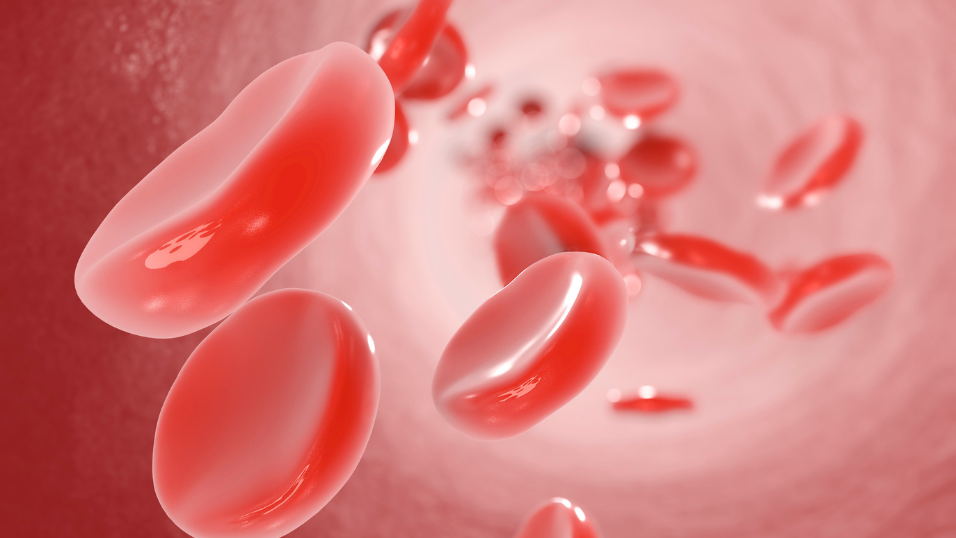
Senticell’s approach rests on a simple biological fact most liquid biopsy companies haven’t built around: the roughly 30 trillion red blood cells circulating in the human body persist for about 120 days and pass through every tissue they encounter, unlike the shorter-lived, plasma-suspended cell-free DNA that conventional liquid biopsy tests screen for. Senticell’s platform is built on the discovery that red blood cells naturally bind and retain disease-associated DNA and RNA as they circulate, potentially capturing cancer signals that plasma-only tests miss. Scientific Co-founder Dr. Nilam Mangalmurti, whose Penn Medicine lab uncovered the underlying biology, explained how the finding turned into a diagnostic strategy: “Decades of research suggested that red blood cells were doing far more than carrying oxygen. Our discovery that red blood cells bind nucleic acids revealed that they could provide a distinct window into disease, one that may capture information not readily accessible through conventional liquid biopsies. Importantly, we recognized that this biology could be harnessed for diagnostics. That insight led to the development of a new technology to isolate and rapidly analyze RBC-associated nucleic acids, including oncogenic driver mutations.”
From a 2021 Immunology Discovery to a Cancer Diagnostics Company
Mangalmurti’s red blood cell research didn’t start as a cancer project. A 2021 study she led, published in Science Translational Medicine, found that red blood cells bind circulating cell-free DNA during severe illnesses like sepsis and COVID-19, a process that can trigger inflammation and anemia by flagging red blood cells for removal by immune cells called macrophages. That original research, which examined roughly 50 sepsis patients and 100 COVID-19 patients, established red blood cells as active immune sensors rather than passive oxygen carriers, laying the biological groundwork Senticell has since licensed exclusively and worldwide from the University of Pennsylvania to apply toward cancer detection specifically.
Clinical Validation Already Underway at Penn and Beyond
Senticell isn’t starting its clinical evidence from scratch. Two prospective studies through Penn Medicine, covering roughly 300 patients combined, are already comparing RBC-based signals against standard plasma-based liquid biopsy tests: one study covering roughly 200 lung and pancreatic cancer patients, evaluating pre-surgical driver detection and recurrence monitoring, with completion expected in the first quarter of 2027, and a second covering roughly 100 head and neck and cervical cancer patients, including a UPenn-Botswana collaboration, with results expected in the fourth quarter of 2026.
The company’s scientific advisory board includes Dr. Steven Albelda, Perelman School of Medicine faculty, and Dr. Chris Hunter, a Penn Vet immunologist, along with Dr. David Roth, giving the platform oversight from researchers with direct standing in the same academic environment the underlying science came from. Dr. Albelda underscored his confidence in the science: “I have closely followed Dr. Mangalmurti’s research at Penn. Senticell will translate these basic science findings into clinically applicable RBC-platforms that will be more sensitive, more rapid, and less expensive than currently available testing approaches in diseases like cancer and infections.”
About Senticell
Senticell describes itself as a biotechnology and molecular diagnostics company developing a platform that uses red blood cell (RBC) DNA and cfDNA analysis for non-invasive disease detection. The company says its research shows that RBCs act as immune-responsive biosensors capable of carrying molecular and genetic biomarkers from across the body, which it describes as a previously untapped gateway for liquid biopsy and precision diagnostics. Senticell states that by harnessing this biology, it aims to enable early disease detection, biomarker discovery, and AI-driven diagnostic insights in support of precision medicine and personalized treatment outcomes. Senticell holds an exclusive, worldwide license to its foundational RBC platform from the University of Pennsylvania and is based in Philadelphia, Pennsylvania. For more information, visit www.senticell.bio.