Qnovia, the clinical-stage pharma company best known for building an inhaled nicotine replacement therapy, just added a second, very different bet to its pipeline. The company has secured a worldwide exclusive license from the University of Virginia Licensing & Ventures Group to develop a novel antimicrobial peptide called D8, aimed squarely at the bacteria that no longer respond to standard antibiotics.
A Peptide Built to Beat Resistance, Not Just Bacteria
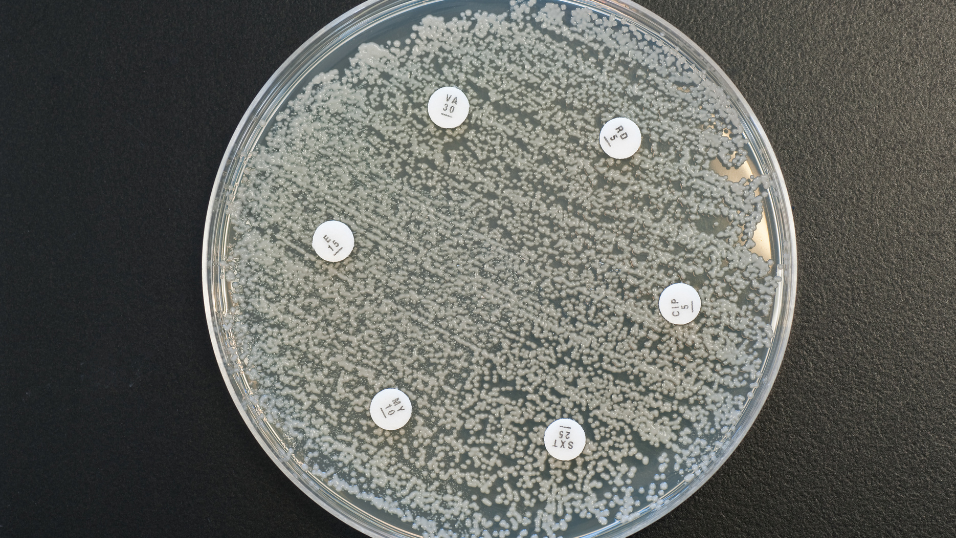
Most new antibiotics are variations on mechanisms bacteria have already learned to outmaneuver. D8 is supposed to work differently. According to the announcement, it kills multidrug-resistant bacterial pathogens and biodefense threat agents, and in early lab and animal testing it’s shown activity against a wide range of human pathogens tied to serious respiratory, bloodstream, skin, and soft-tissue infections. The part that matters most long-term is the resistance angle: conventional antibiotics tend to create their own obsolescence, since bacteria evolve around them once they’re used widely enough. D8 is designed so bacteria can’t easily adapt to it in the first place, which, if it holds up in the clinic, would put it in a different category than most of what’s currently on the market.
It’s worth putting some numbers behind why a company would take this on. Drug-resistant infections are already one of the fastest-growing threats in global medicine, touching everything from routine surgery to cancer treatment to intensive care. One 2024 study projected that antimicrobial-resistant infections could cause 39 million deaths by 2050, and as of 2019 they were already responsible for roughly $693 billion in hospital costs and $194 billion in lost productivity worldwide. That’s the backdrop Qnovia is stepping into.
From a UVA Lab to Qnovia’s Pipeline
D8 came out of the Hughes-Crawford research group at UVA, where Qnovia has had a collaboration running since 2023. Under the new agreement, Qnovia gets exclusive worldwide rights across all disease indications and routes of administration, and the company will now run the preclinical work needed to support an investigational new drug application, including figuring out the best way to actually deliver the peptide to patients.
Mario Danek, Qnovia’s CEO, didn’t undersell the stakes: “Drug-resistant bacteria represent one of the fastest-growing threats in global medicine, with antibiotic resistance already contributing to millions of deaths worldwide and impacting everything from routine surgeries to cancer treatment to intensive care.” He was equally direct about why D8 caught his attention: “What separates this peptide from existing antibiotics is that it doesn’t allow bacteria to evolve and adapt. It works through a mechanism that’s fundamentally different. That’s the kind of tool we need for a problem at this scale.”
Matthew Crawford, PhD, Assistant Professor of Medicine at UVA and one of the researchers behind the discovery, framed it as university research doing exactly what it’s supposed to do: “We’ve found a genuinely new way to fight life-threatening infections that have few, if any, effective treatment options. It’s exactly the kind of discovery that university research exists to produce. Partnering with Qnovia gives peptide D8 a strong path out of the lab and to patients current antibiotics can’t help.”
Why It’s Worth Watching
This is a real pivot in scope for Qnovia. The company was founded in 2018 by Danek, who had previously sold his stake in a vaporizer company, and has built its identity around RespiRx, an inhaled nicotine replacement therapy designed to help smokers quit. Taking on an antimicrobial peptide program is a different kind of drug development entirely, and it signals Qnovia is looking to build a broader pipeline rather than stay a single-asset company riding on one therapeutic category.
It’s also a good example of how university research is supposed to reach patients: a university lab does the fundamental discovery work, and an outside company with drug development expertise steps in to actually carry it forward. Whether D8 ultimately works in patients is still years away from being answered, but the deal itself is a solid marker of that kind of university-to-industry pipeline in action.
About Qnovia, Inc.
Qnovia, Inc., is a clinical-stage pharmaceutical company focused on solving consequential public health challenges through breakthrough science and technology. The company is pursuing two major therapeutic areas: smoking cessation, through its lead program RespiRx™, a novel inhaled nicotine replacement therapy; and antimicrobial resistance, through a novel peptide licensed from the University of Virginia. Both programs target diseases affecting hundreds of millions of people globally and imposing enormous human and economic costs on society. Founded by Mario Danek in 2018, Qnovia is built to develop breakthrough therapies capable of changing health outcomes at population scale. Learn more at www.qnovia.com.