
Veina, a Baltimore-based medical device startup born out of Johns Hopkins University, has been awarded a Technology Advancement Grant through TEDCO‘s Baltimore Innovation Initiative (BII). The $50,000 award, announced July 14, 2026, will support the continued development and clinical validation of Veina’s novel blood collection device, designed to reduce hemolysis, repeat blood draws, and delays in patient care.
About the Award
Veina’s grant is part of $664,448 distributed by TEDCO’s Maryland Innovation Initiative (MII) to 13 Baltimore-area awardees in this latest BII funding round. The Baltimore Innovation Initiative supports an equitable innovation and entrepreneurial ecosystem within higher education institutions across the Baltimore-Columbia-Towson metropolitan area, and represents Maryland’s contribution to the broader Baltimore Tech Hub.
Eight Technology Advancement awards, including Veina’s, went to founders developing new technologies out of Baltimore-area universities, while five additional Entrepreneurship and Infrastructure awards supported campus programs at institutions such as Morgan State University, the University of Maryland Baltimore County, the Maryland Institute College of Art, and Towson University.
“The Maryland Innovation Initiative is proud to invest in innovation coming from Baltimore’s institutions of higher education,” said Abi Kulshreshtha, MII’s executive director. BII Program Manager Jalaycia Lewis added, “We are thrilled by the continued enthusiasm for the BII program and the diverse ideas represented in this cohort.”
The Problem Veina Is Solving
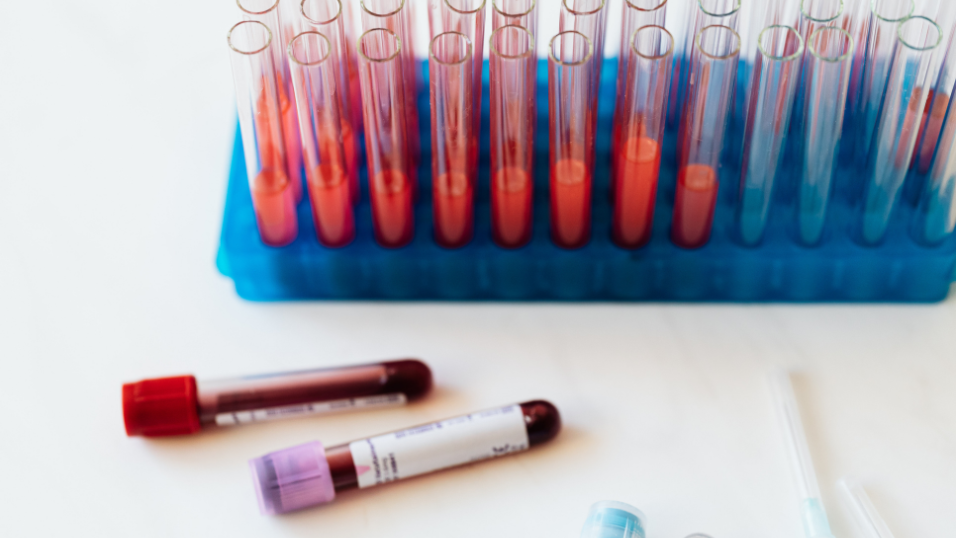
Blood draws are among the most common procedures in healthcare, yet the tools used to perform them have changed little in decades. Existing devices don’t account for differences in patient physiology or variations in clinical technique, which can cause hemolysis — the breakdown of red blood cells from excessive shear stress during collection. Hemolyzed samples produce inaccurate lab results, forcing clinicians to redraw blood and delaying diagnosis and treatment, a problem that is especially costly in emergency settings.
Veina’s device addresses this with a pressure-regulating mechanism that adapts in real time to reduce hemolysis, without requiring changes to existing clinical workflows or additional staff training.
From the Classroom to the Clinic
Veina began as a 2025 Johns Hopkins Biomedical Engineering senior design project. The six-person student team — Saardhak Bhrugubanda, Sneha Raj, Sabine Meurs, Antoine Noreau, Isabella Menendez, and Natasha Mody — developed the device through iterative prototyping, benchtop testing, and clinical feedback, working under faculty advisors Dr. Youseph Yazdi and Dr. Soumya Acharya, with clinical sponsorship from Dr. Lukas Ramcharran. The project went on to earn top honors at Johns Hopkins’ HopStart 2025 startup competition.
With TEDCO’s backing, the team is now positioned to move the device further along the path toward clinical use, continuing the validation work needed to bring it to hospitals in Baltimore and beyond.
“As a Baltimore-based team, we are especially proud to contribute to the city’s growing innovation ecosystem and to develop solutions that can improve care for patients in our local hospitals and beyond,” the Veina team shared in announcing the award.
As the team looks ahead they’re eager to strengthen Baltimore’s innovation ecosystem alongside a growing community of local founders working to translate university research into real-world impact.