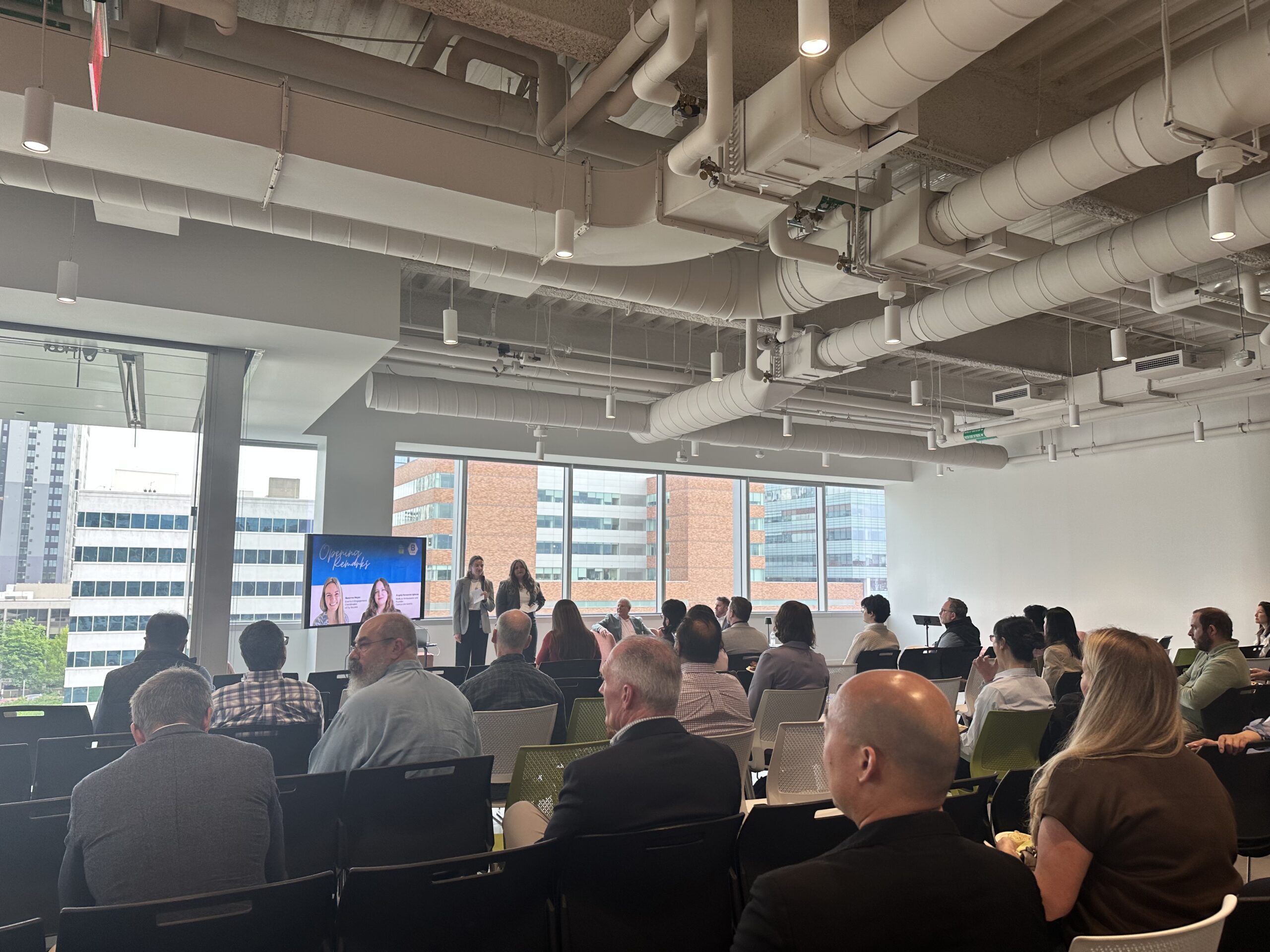
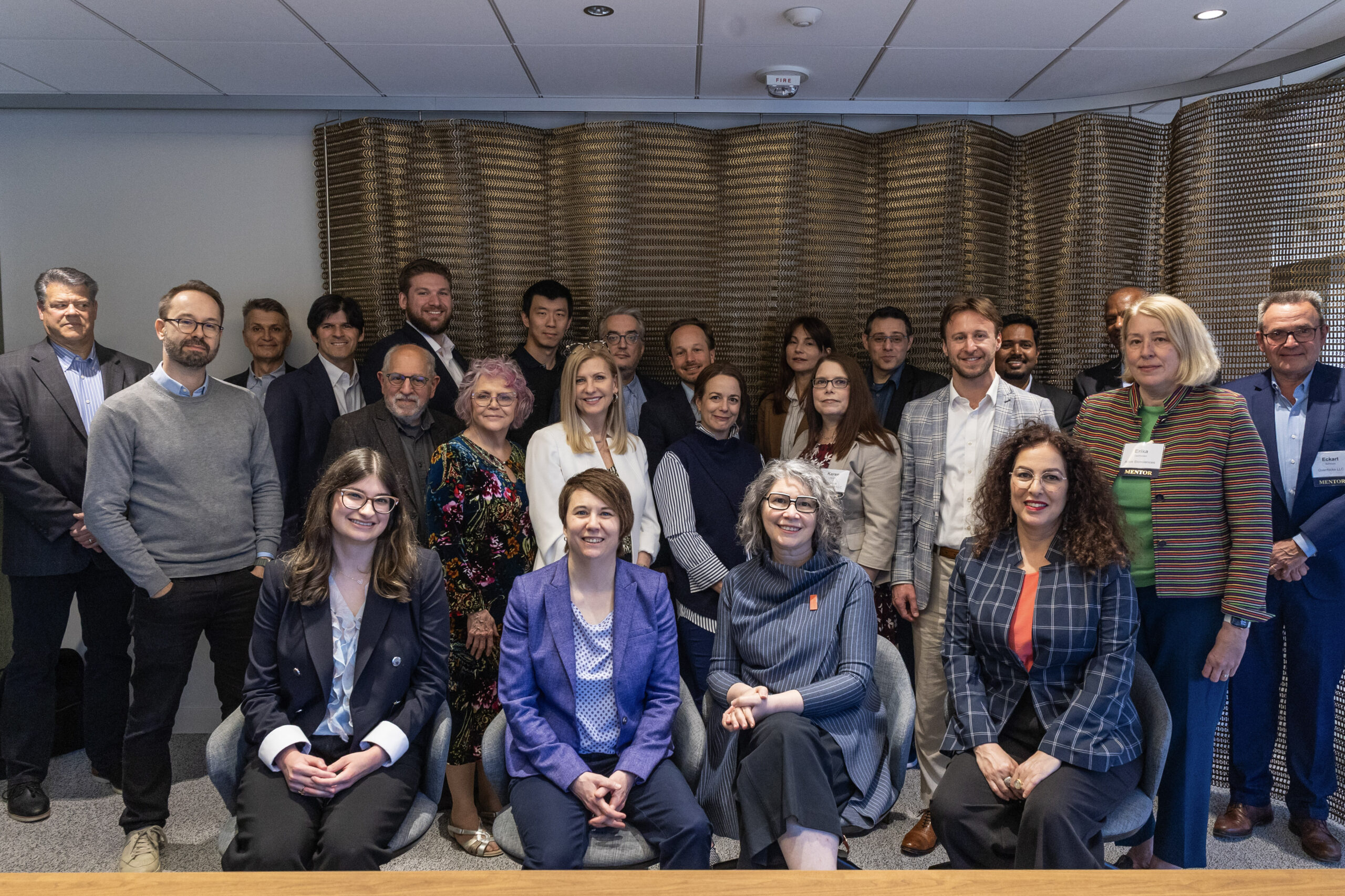
Breaking into the U.S. healthcare market has traditionally been a slow, uncertain process for international companies, marked by regulatory complexity, fragmented systems, and long commercialization timelines. But at the WorldUpstart Winter Showcase in Philadelphia on April 27, a different pattern began to take shape. The companies in the room weren’t there to explore the U.S. market. They were there to enter it.
What emerged from the showcase wasn’t just a collection of innovative startups, but a clearer signal: globally scaling health and medtech companies are arriving in the U.S. with more maturity, clearer strategy, and a stronger understanding of how to navigate the system than in years past.
From Early-Stage to Market-Ready
The seven companies featured at the event, StemTech Medical Devices, PraxisConcierge, 6Degrees, AVARA, Connext Health, StrongRoom AI, and Ribbon Bio, represented a range of geographies, including India, Germany, Israel, Ukraine, Brazil, and Australia. Despite their diversity, they shared a common trait: they were already operating in real markets.
These were not concept-stage startups. Each had existing deployment, user validation, or commercial traction in their home regions.
For example, StemTech Medical Devices has already deployed its scalp cooling system across dozens of oncology centers, supporting thousands of patients undergoing chemotherapy. PraxisConcierge is operating at scale with an AI-powered communication platform handling millions of patient interactions, while 6Degrees is combining virtual reality and wearable intelligence to expand access to rehabilitation beyond traditional clinical settings.
Others are tackling system-level inefficiencies through data and automation. Connext Health is focused on connecting pharma and innovation ecosystems through AI-driven scouting and analytics, and StrongRoom AI is addressing medication safety and workflow optimization for care providers.
Across the cohort, the common thread was clear: these companies are building solutions designed not just to innovate, but to integrate.
A More Informed Approach to the U.S.
One of the more notable takeaways was how clearly these companies understood the U.S. healthcare landscape.
“They knew where the U.S. market was.”
That awareness of how care is delivered, where inefficiencies exist, and how solutions need to integrate, is often a barrier for international companies. In this case, many of the founders appeared to be building with those constraints already in mind.
Several were actively seeking U.S.-based partners and investors, suggesting that expansion efforts were already underway rather than being explored for the first time. The focus wasn’t just on access, but on alignment, how their technologies could fit within existing systems and workflows.
The Role of Ecosystems, Without Overstating It
Events like the WorldUpstart showcase highlight the importance of being in the right environment at the right time, but they also underscore a more important shift: companies are becoming more selective about how they enter the U.S., not just when.
For many of the startups present, particularly those building AI-driven or clinically integrated solutions, success depends on access to partners, providers, and real-world settings where their technologies can be applied.
Philadelphia, like several emerging and established life sciences hubs, offers that kind of collaborative infrastructure. But the larger takeaway isn’t about one city, it’s about the increasing importance of ecosystems that can support not just innovation, but implementation.
Why It Matters
For global founders, the bar for entering the U.S. is rising, but so is the level of preparation.
For investors and operators, this means more opportunities to engage with companies that are already de-risked by international traction.
And for the broader ecosystem, it signals a shift in timing: by the time these companies arrive, they are no longer early, they are ready.
The WorldUpstart Winter Showcase didn’t just bring global startups into one room. It offered a glimpse into a more mature phase of global health innovation, one where entering the U.S. is no longer a tentative step, but a calculated move.