At the Silverstein Dream Foundation–Beryl Elites Conference – “The Future of Healthcare, Life Sciences and Biotech” – in New York City, the conversation around artificial intelligence moved beyond both hype and fear into something far more grounded and actionable.
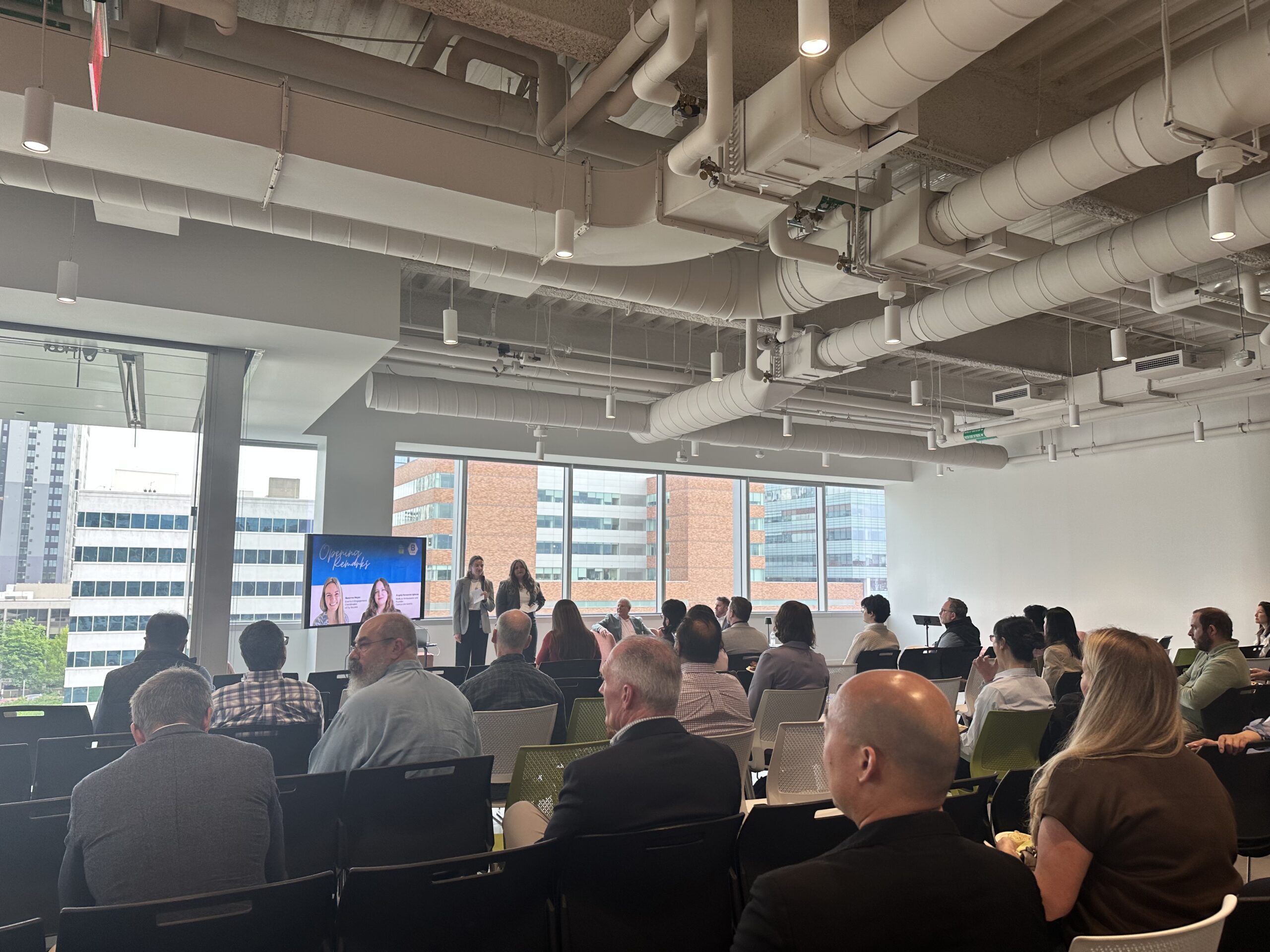
Hosted by the Silverstein Dream Foundation in partnership with Beryl Elites, the conference was intentionally designed to sit at the intersection of mission and capital. The Silverstein Dream Foundation—founded by Patricia Silverstein to accelerate research, prevention, and access to care—brought a deeply human, patient-centered lens to the agenda. Beryl Elites, backed by Beryl Consulting Group’s institutional investment expertise, curated a room of senior investors, founders, and operators capable of turning innovation into action. Together, the organizers created a forum not for abstract discussion, but for aligning capital, leadership, and technology around the future of healthcare.
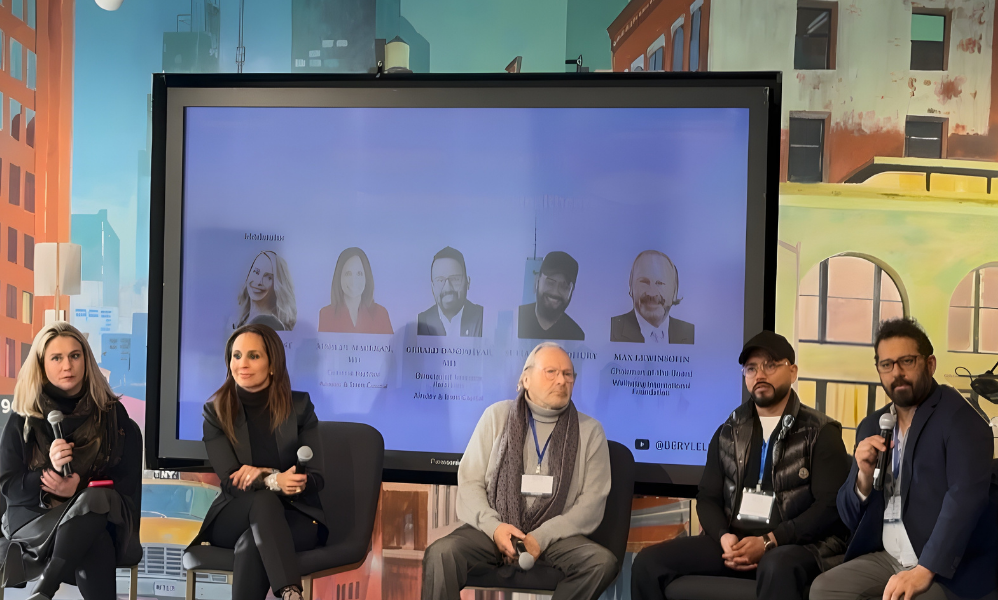
In a room filled with investors, clinicians, founders, and operators, the panel titled “AI as a Force Multiplier for Healthcare” confronted a shared reality: the healthcare system is under significant strain, and incremental fixes are no longer sufficient. Rather than debating whether AI belongs in healthcare, the discussion focused on how it is already being deployed to expand capacity, restore human connection, and enable smarter, more ethical care delivery in a value-driven environment. The prevailing message was clear—AI is not here to replace people, but to amplify them.
Throughout the panel, several core themes emerged. As clinician shortages worsen, reimbursement tightens, and value-based care accelerates, AI is helping healthcare teams scale their impact—supporting more patients without sacrificing quality or outcomes. Tools such as AI scribes, workflow automation, and backend intelligence are relieving physicians and operators of time-consuming administrative tasks, allowing them to focus on patient care and higher-value decision-making.
Panelists also emphasized that AI only delivers meaningful results when data silos are eliminated; integrated, closed-loop systems unlock insights that enable prevention, population health management, and earlier intervention.
Above all, adoption depends on trust. Patients and providers are far more willing to embrace AI when its role is clear, ethical guardrails are in place, and human oversight remains central to care delivery.
The Panel was moderated by Rebecca Geist, Angel Investor, Healthcare & AI Technologies and included a lineup of expert panelists, including:
- Ainsley MacLean MD, FACR, Ainsley Advisory Group and BAinsley & Born Capital
- Gerald Daneshvar MD, Ainsley Advisory Group
- Sufian Chowdhury, Kinetik
- Max Lewinsohn, Wellbeing International Foundation
Making Healthcare Work Smarter, Not Harder
That framing proved essential as panelists explored the pressures bearing down on healthcare today. Dr. Ainsley MacLean, Managing Partner at Ainsley & Born Capital and a physician who has worked inside one of the nation’s largest delivery systems, described a system facing compounding challenges: shrinking clinician supply, rising patient demand, reimbursement pressure, and an accelerating shift toward value-based care. Against that backdrop, AI is emerging as a genuine capacity multiplier—one that allows healthcare teams to do more with limited human resources, without compromising quality or outcomes.
MacLean pointed to one of the most immediate and impactful applications already in widespread use: AI-driven clinical documentation. Electronic health records, she noted, fundamentally transformed healthcare—but at a steep cost to physician well-being. AI scribes are now beginning to reverse that damage by quietly removing administrative burden from the exam room. Instead of typing endlessly, physicians can remain fully present with patients, while AI captures, structures, and routes documentation through the backend. The technology may not be flashy, but its impact is profound—restoring time, attention, and human connection where it matters most.
“AI is not here to replace people—it’s here to give them back the time and focus that modern healthcare has taken away.”
That same principle—removing friction rather than adding complexity—carried through the operational side of healthcare as well. Sufian Chowdhury, founder of Kinetik, reframed non-emergency medical transportation as a critical yet historically overlooked part of the healthcare continuum. Long plagued by fraud, payment delays, and fragmented data, transportation often determines whether patients access care at all. By building AI-driven revenue cycle and payment infrastructure directly around healthcare claims, Kinetik closed data loops, reduced waste, and enabled instant payment to drivers—sometimes within minutes rather than months.
More importantly, that integrated data revealed patterns health systems had never been able to see. In some markets, Chowdhury explained, nearly half of all rides are tied to substance-use disorder treatment, including daily methadone dosing. When appointments are missed, AI-enabled systems can surface early risk signals, allowing payers and providers to intervene before relapse or escalation occurs. Without integrated data, those opportunities for prevention simply disappear.
The panel also explored AI’s expanding role in chronic disease management and longevity. Max Lewinsohn, founder of Wellbeing International Foundation, shared how years of fragmented clinical and wellness data are now being organized and analyzed through AI to identify meaningful patterns in healing, recovery, and biological aging. What once existed as anecdotal observation is increasingly supported by structured insight, enabling more personalized protocols and earlier intervention. Here again, AI’s value was not in replacing expertise, but in helping teams make sense of complexity at scale.
Throughout the discussion, however, one caution surfaced repeatedly: trust remains fragile. As AI adoption grows, public confidence—particularly in healthcare—cannot be assumed. MacLean acknowledged that patient trust has recently declined, underscoring the importance of transparency and human oversight. AI works best, she argued, when there is always a human in the loop. Even in specialties like radiology, where fears of automation once ran high, AI has evolved into a supportive tool—reducing cognitive burden while leaving final judgment firmly in human hands.
The Human Element Behind Healthcare Innovation
As the conversation turned toward investment and company-building, Dr. Gerald “Jerry” Daneshvar offered a perspective that tied the entire panel together. The difference between companies that stall and those that endure, he suggested, often has less to do with technology and more to do with purpose. Passion rooted in lived experience—whether personal loss, clinical frustration, or systemic injustice—creates the resilience required to navigate healthcare’s long timelines and thin margins.
In one of the panel’s most resonant moments, Daneshvar reframed the very idea of a force multiplier. AI may scale impact, he acknowledged—but the real multipliers are the people in the room. The investors willing to fund responsibly, the founders committed to ethical stewardship, and the clinicians determined to make healthcare work better than it does today. Technology can accelerate progress, but only human intention determines its direction.
“AI may scale impact—but the real force multipliers are the people willing to lead, fund, and build with purpose.”
That sentiment captured the broader spirit of the Silverstein Dream Foundation–Beryl Elites Conference. This was not a gathering driven by novelty or speculation. It was a room of doers—individuals aligned around the belief that innovation should make it easier to do the right thing. In a system long defined by sick care rather than health care, AI offers a rare opportunity to shift the balance.
But only if the right people continue to lead the way.