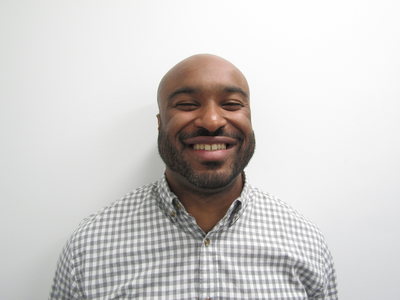
Lamar Higdon, Manager, Materials Management, shares how he built a 15-year career in materials management, supporting MacroGenics’ mission to develop life changing medicines. In conversation, he reflects on the lessons, mindset, and connections that have shaped his journey in the life sciences industry.
BioBuzz’s “In Conversation” series features candid conversations with leaders and builders across the life sciences. In this installment, we sat down with Lamar Higdon, Associate Manager, Materials Management at MacroGenics, to talk about his unconventional path into biotech, the critical role of materials management, and why he believes common sense and connections matter as much as credentials.
###
Q: You’ve been with MacroGenics for six years, but you said biotech wasn’t originally part of your plan. How did you end up in this industry and at MacroGenics?
Honestly, I wasn’t interested in biotech at all.
At the time, I was working at a T-shirt embroidery shop in Rockville—making uniforms for high schools and teams. Then, out of the blue, my old high school quarterback reached out and said, “Hey, there’s an opening at this company. They offer health insurance. You should apply.” I did, they took a chance on me, and 15 years later I’m still here in the industry.
When the opportunity came to join MacroGenics, it felt like the right step. Today, I manage materials across both our Rockville satellite warehouse and our central warehouse in Frederick. We touch everything—from incoming supplies to the final products being shipped out—so I can see exactly how the work we do here supports MacroGenics’ mission to develop life-changing therapies.
Q: Materials management can sound behind-the-scenes, but you’ve said it plays a critical role. What does that work mean at MacroGenics?
Materials management is really like being the internal grocery store for the entire company. Every material that comes in—from supplies for manufacturing to tools for QC—flows through our team.
We inspect it, make sure the appropriate paperwork is present, and processit so it can be tested and used. On the back end, once the product is finished, we handle the shipping. That means we’re trusted with moving millions of dollars’ worth of drug product safely to where it needs to go.
When I first started, I thought, “We’re just moving boxes.” But over time I realized how important the details are—every step is tied to a patient. If something is missed, it could impact someone down the line. That perspective shift really changed the way I approach my work here. We’re not just a warehouse—we’re part of developing therapies for patients who need them.
Q: You’ve built your career without a traditional educational background. How has that shaped your path—and do you think this field is open to others who take a similar route?
I’ve taken a nontraditional path. I don’t have a college degree; I have credits from Montgomery College, and I’ve earned certifications as a personal trainer and health coach.
Most of my career growth has come from being curious, asking questions, and building relationships. My dad always told me: “Just be a good person, show respect, and work hard.” That’s what I’ve tried to do.
I think that mindset has helped me stand out. Education is important, but common sense and continuous learning go a long way. I’ve seen plenty of colleagues in materials management with backgrounds similar to mine—high school diploma, maybe some college credits. It’s an entry point into biotech that doesn’t require a PhD. The key is being willing to learn and seeing the bigger picture.
At the end of the day, we all want the same thing: to put the patient first.
Q: What advice would you give to someone starting out in materials management or trying to break into biotech?
Ask questions—tons of them. No question is dumb.
Find a mentor, lean on people who’ve been in the field, and don’t be afraid to say you don’t know something. This job isn’t rocket science, but the details matter, and the more you understand why things are done a certain way, the more you’ll grow.
And with biotech especially, remember the bigger purpose. It’s not just paperwork or moving boxes—it’s about making sure patients receive safe, effective treatments. If you keep that perspective, you’ll find meaning in the work.
Q: You’ve mentioned your passion for health and wellness outside of MacroGenics. How does that connect back to your role here?
I’m a certified personal trainer and health coach, so I spend time outside of work helping people build healthier habits. For me, that connects back to why I value what we do at MacroGenics.
On one side, I’m passionate about prevention—food, exercise, lifestyle. On the other, I see the incredible effort going into developing therapies for patients who need them now.
Together, it reminds me that health is about both prevention and treatment. I feel fortunate to contribute to both.